Itchy eyes in allergy season: habits that help, and when to see an eye doctor
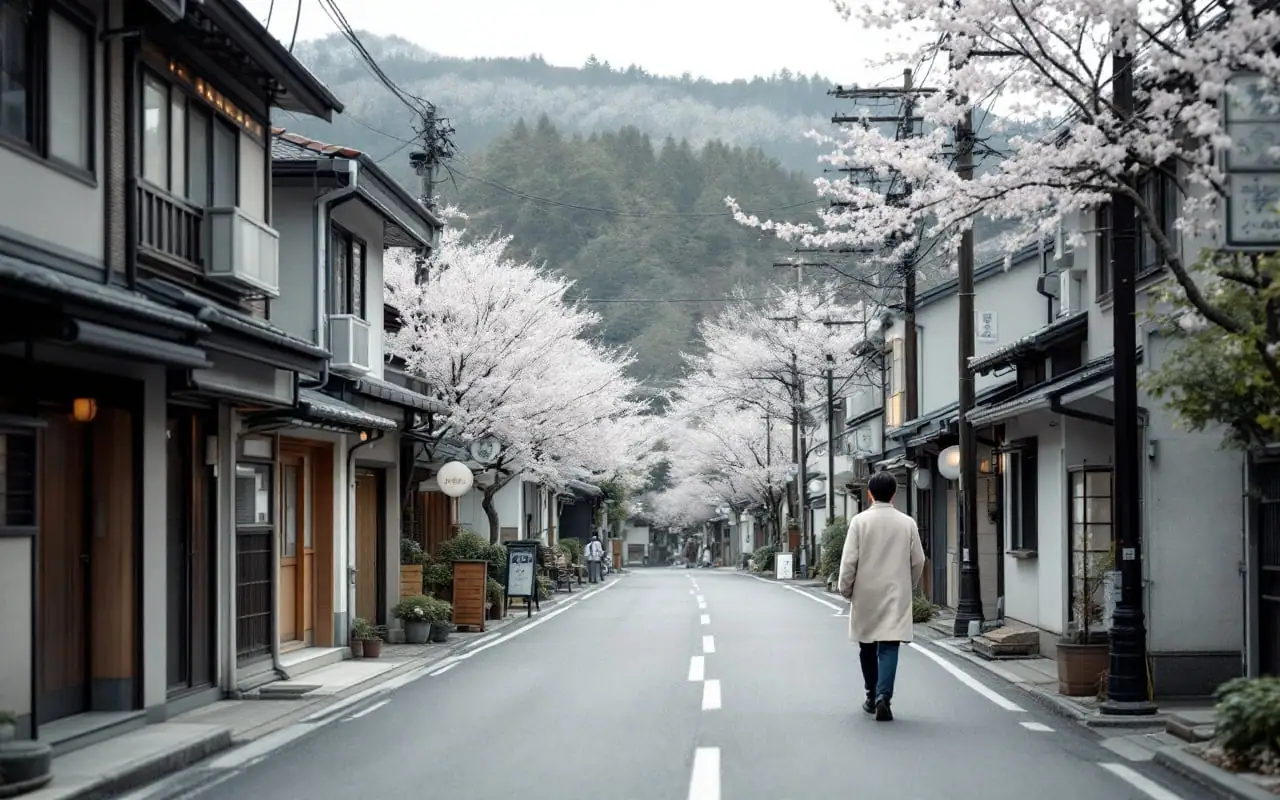
In early March Kyoto starts to change its face. The plum trees at Kitano Tenmangu shrine come into flower, the sunlight softens, and around me the same complaint begins to spread: itchy eyes. On the bus and on station platforms you see people rubbing at their eyes above their face masks, a sign of the season as reliable as the blossom.
Most itchy eyes at this time of year come from allergic conjunctivitis, an allergy to pollen on the thin membrane that covers the eye. Because it returns every year, it is easy to just put up with it. Yet a few small changes at home can make a real difference, and seeing an eye doctor early can change how the whole season goes. Allergy season reaches most places sooner or later, in a different month and with different plants, so most of what follows travels well.
Spring in a city ringed by hills
Kyoto sits in a basin with hills on three sides, east, north and west, and from almost any street you can see a ridgeline at the end of it. Many of those hills are planted with Japanese cedar and cypress. The tall, straight cedars of the northern hills have been part of local building and craft for centuries.
Cedar pollen is usually in the air from early spring, and cypress follows, lasting into mid-spring. People who react to both can live with symptoms from March into April, sometimes longer. Amounts vary by year and by day, and tend to be higher on warm, sunny days, on dry and windy ones, and on the day after rain. Pollen travels a long way on the wind, so living in the middle of town is no escape.
I have no figures on whether the shape of the land holds pollen over the city. But living this close to the hills, you can almost feel it on a spring breeze. I have got into the habit of checking the pollen forecast alongside the weather and using it to decide whether the washing goes outside, or when to take a walk.
Elsewhere the timing and the plants change. In many temperate countries, tree pollen such as birch, alder or oak comes first in spring, grass pollen follows in late spring and early summer, and weeds such as ragweed take over in late summer and autumn. People whose eyes itch all year round may be reacting to house dust mites, pet dander or mold instead. Your local pollen forecast will tell you more than any general calendar.
What is happening in your eyes
The conjunctiva is the thin, clear membrane that lines the inside of the eyelids and covers the white of the eye. It is in direct contact with the air. When pollen lands on it, the body treats the pollen as an intruder and releases substances that cause itching and redness. Because it follows the pollen calendar, this is called seasonal allergic conjunctivitis.
Common signs:
- itching, often worst at the inner corners and along the lids
- pink or red whites of the eyes
- watering
- clear, watery or slightly stringy discharge
- puffy eyelids
- a gritty feeling, as if there were sand in the eye
It usually comes with sneezing and a runny or blocked nose, and it usually affects both eyes in much the same way. Keep that last point in mind, because it helps tell allergy apart from other causes of red eyes. Allergic conjunctivitis is not contagious.
Keep it off your face, keep it out of the house
Most of the advice comes down to two ideas: stop pollen reaching your eyes, and stop it coming indoors with you. Neither needs special equipment.
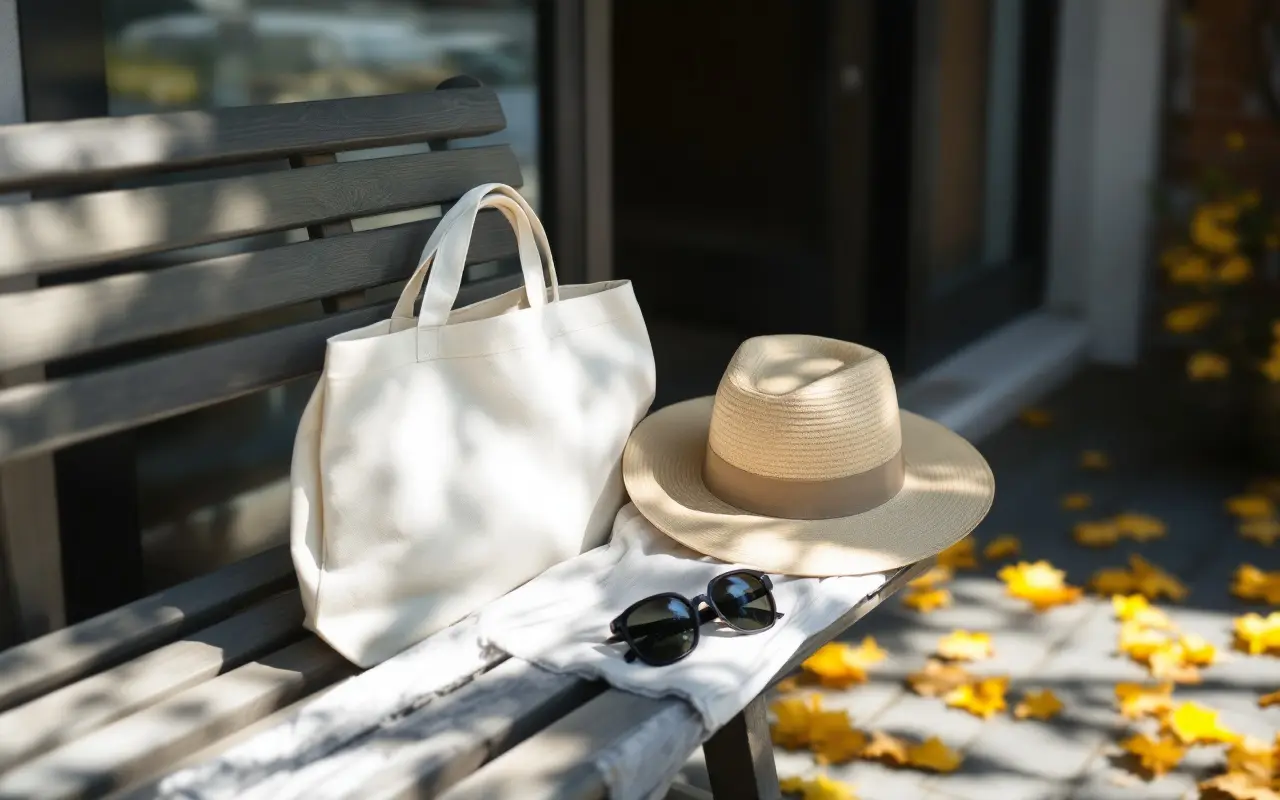
Glasses alone cut the amount of pollen reaching the eyes. Wraparound frames or glasses with side shields do more, but ordinary glasses are still better than none. A hat with a brim keeps pollen out of your hair, and outer layers with a smooth surface pick up less than fuzzy wool.
On high-pollen days, dry laundry indoors or in a dryer. If it has been outside, shake it well before bringing it in, bedding too. When airing a room, open the window a little for a short time rather than flinging it wide. Pollen settles on floors, so wipe them now and then as well as vacuuming.
In an old Kyoto townhouse, where a passage runs from the street to a small inner garden and the house is half open to the air, people adjust which doors stay open with the seasons. Spring is when you want the breeze, but on the worst days a little less of it is kinder to the eyes.
A spring day, hour by hour
Morning. Open the curtains, check the weather and the pollen count. If it looks heavy, decide then that the washing stays in, and pick a jacket with a smooth finish. That is the morning done.
The commute. Glasses, a mask and a brimmed hat are good company. Cyclists along the Kamo River take the wind full in the face, pollen included, so close-fitting glasses are worth a try.
Midday. If your eyes start to itch while you are out, resist rubbing and step indoors for a while. Spring weather begs for lunch outside, but on heavy days the view through a window may be enough.
Evening. Shake out your coat and hat before you open the front door. Wash your face when you wash your hands, and keep the clothes you wore outside out of the bedroom if you can.
Night. Wash your hair before bed so pollen does not end up on the pillow, and change pillowcases often. None of this is hard. Each step simply takes a little more pollen out of your day.
How to stop rubbing
Rubbing an itchy eye is close to a reflex. It irritates the conjunctiva, tends to make the itch worse, and can scratch the surface of the eye. Not rubbing is the quickest way out of that loop.
When the itch is strong, a clean cloth soaked in cold water, or an ice pack wrapped in a handkerchief, held gently over closed lids can calm things. Keep a layer of fabric between anything very cold and your skin. Short nails help, and so does folding your hands together when you catch them drifting toward your face.
If you wear eye makeup, go lighter along the lash line on bad days and remove it by stroking, not scrubbing. The skin around the eyes is more delicate than usual in allergy season.
Small children often rub their eyes in their sleep, so check for swollen lids or red eyes in the morning. Children may not say "itchy", and lots of blinking or constant touching can be the clue. A more severe form of eye allergy, seen mainly in children, causes intense itching and bumps under the upper lid and can damage the cornea, the clear window at the front of the eye. It needs treatment from an eye doctor.
Some people want to splash their eyes with tap water again and again. Repeated rinsing can wash away the tear film that protects the eye's surface. If you are unsure how to rinse or which drops to use, ask an eye doctor rather than inventing a routine.
If you wear contact lenses
Lens wearers often have a harder time in pollen season. Pollen and debris stick to the lens and sit against the eye, and rubbing over a lens can shift it or scratch the eye.
On bad days, switch to glasses and give your eyes a rest. If you keep wearing lenses, be extra careful with the routine: wash and dry your hands, rub and rinse lenses as instructed, replace the case regularly, never use tap water, and keep to the wearing schedule.
Lenses are medical devices meant to be used with regular eye checks. Before changing lens type, or using drops with lenses in, ask your eye doctor. Deposits on lenses can also cause a different kind of conjunctivitis with bumps under the upper lid. If lenses start slipping, discharge increases, or your eyes itch soon after putting lenses in, do not assume it is the season. Get it checked.
Ask an eye doctor about drops
Plenty of people get through spring on pharmacy drops, and for mild symptoms that can be enough; a pharmacist can help you choose. But if the itch is severe, if every spring is miserable, or if pharmacy drops have not helped after a few days, see an eye doctor. Depending on where you live, an optometrist or your family doctor may be the first stop, with an ophthalmologist, a medical eye specialist, for anything severe or unusual.
An eye doctor will examine your eyes and prescribe drops that suit them. For people who suffer every year, starting treatment early, around the time pollen begins or while symptoms are still mild, is one approach sometimes suggested. Which drops, when and for how long is for your eye doctor to decide.
Bring a few notes: when symptoms began, which days or places make them worse, whether your nose is affected, the drops you already use, and your type of contact lenses. A line a day on your phone, the itch rated out of ten and the weather, becomes a useful record for next year.
Some of the stronger drops used for severe allergy can raise eye pressure in some people, so your eye doctor will check your eyes while you use them. The column on glaucoma after 40 explains why eye pressure matters. Do not share prescription drops within the family or reach for last year's leftovers; symptoms that look alike can have different causes.
If you are not sure who to ask, see who to ask about an eye worry. If weekday appointments are hard to fit around work, eye care around a working week may help.
When it may not be pollen at all
When eyes go red in spring, it is natural to blame pollen. See an eye doctor promptly, though, if:
- one eye is much redder than the other
- pain stands out more than itching
- there is a lot of discharge and your lids are stuck together in the morning
- light feels unusually harsh, or your vision is blurred
- you also have a fever or sore throat
Viral conjunctivitis, one cause of what people call pink eye, brings marked redness, watering and discharge, and often starts in one eye before spreading to the other. Some types spread very easily. Until you have been seen, wash your hands after touching your eyes and keep your own towel. You may need to stay away from school or work, so see a doctor rather than waiting.
Severe pain, sudden blurring or strong sensitivity to light can mean a scratch or infection on the cornea, or inflammation inside the eye. Contact lens wearers with any of these should take their lenses out at once and see an eye doctor the same day. If eye pain comes with blurred vision, haloes around lights, headache or nausea, or if you suddenly lose vision in one eye, go to an emergency department now or call your local emergency number (such as 911, 999, 112, or 119 in Japan). Eye emergencies and first aid has more, and common eye conditions describes other causes of red eyes.
By the time the cherry trees along the Lake Biwa Canal are in bloom, cypress pollen is in full flight. Spring here is too lovely to spend squinting through. If your eyes are bothering you, do not just put up with it; see an eye doctor early and enjoy the season.