Everyday Eye Care · Vision, Glasses & Contacts
Ski goggles over glasses (OTG): fit, fog and the other options
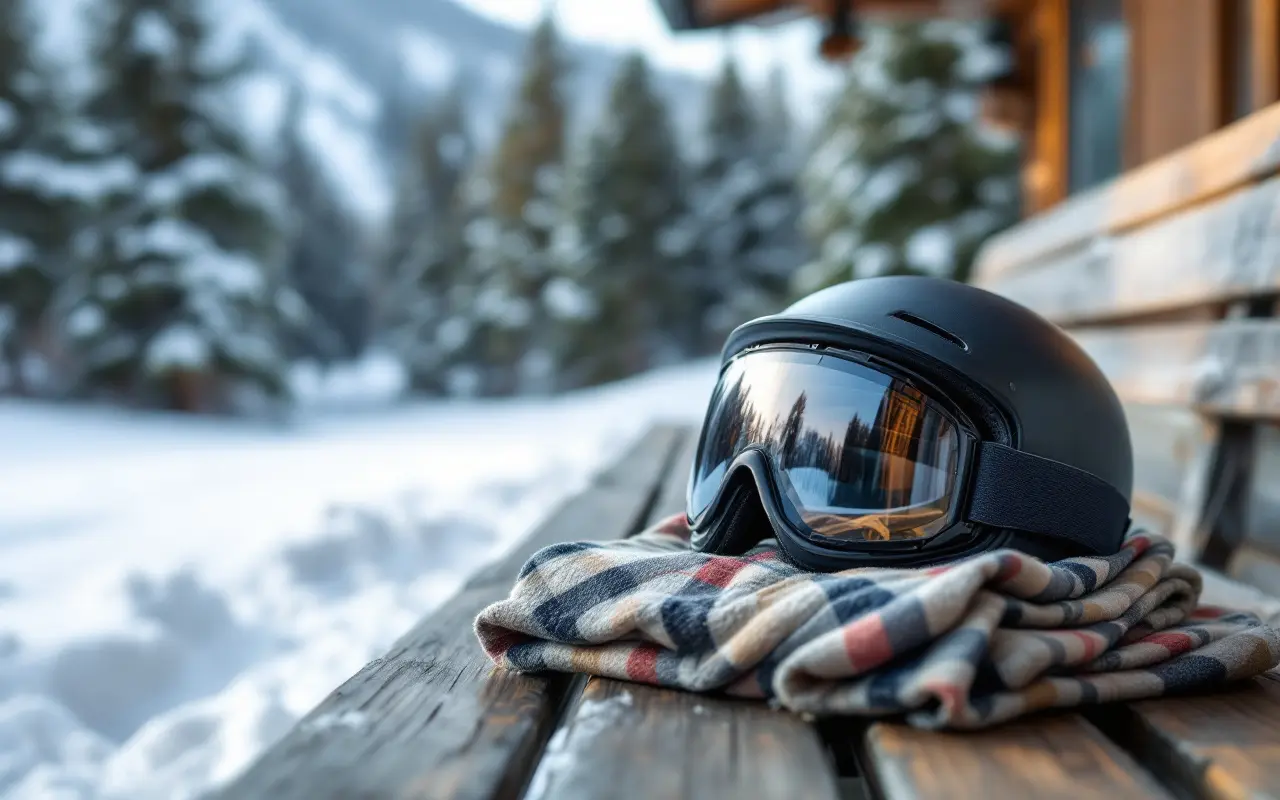
Yes, you can wear ski goggles over glasses, as long as the goggles are made for it. Over-the-glasses goggles, often labeled OTG, have a deeper frame and notches or channels in the foam for the arms of your glasses, so they sit over your frames without pressing them into your nose or temples. Whether a pair works depends on your glasses as much as on the goggles, so try them on with your own glasses and helmet.
If that setup doesn't suit you, there are other routes: prescription inserts that clip inside the goggles, contact lenses under ordinary goggles, or goggles with prescription lenses built in. Whichever you choose, your eyes need real UV protection on snow, and you need a plan for fog.
Kyoto's winters bring more damp cold than snow, so a ski day from here starts with an early train into the mountains and a bag packed with a few extras for anyone in glasses.
Snow, sun and your eyes
Snow is one of the most reflective surfaces you will ever stand on. Fresh snow can reflect up to about 80 percent of the sun's UV rays, so UV reaches your eyes from below and from the sides as well as from above, and a cap brim does little to stop it. Altitude adds more: UV levels rise by roughly 10 percent for every 3,300 feet (1,000 meters) you climb. A good share of UV also passes through thin cloud, so a gray day on the mountain still counts.
Too much UV in one day can burn the surface of the eye, much like sunburn on skin. This is called photokeratitis, or snow blindness. It usually shows up hours after exposure, often in the evening: the eyes feel painful and gritty, water a lot and become very sensitive to light, and vision may be blurred. It needs an eye doctor's attention, and it is far easier to prevent than to sit through. Over many years, UV exposure is also linked to cataract and to growths on the surface of the eye. The column on summer sun and the eyes covers UV protection more generally.
Add cold, drying wind, blowing snow and low branches, and it is clear why goggles, which seal around the eyes in a way sunglasses can't, are the usual choice on the slopes.
Lens tints for sun and flat light
Goggle lenses come in different tints, and the tint is about comfort and contrast, not UV. Darker lenses let in less light and suit bright, sunny days. Lighter lenses, often yellow, amber or rose, suit flat light, cloud and falling snow, when bumps and dips in the snow are hard to read. Clear lenses are for night skiing. Some goggles come with interchangeable lenses, and some use photochromic lenses that darken in bright light.
Many goggles state a VLT figure, the percentage of visible light the lens lets through: the lower the number, the darker the lens. Goggles sold in Europe often list a filter category from 0 to 4 instead, with higher numbers darker. Polarized lenses reduce reflected glare; some skiers like them, others prefer to see the shine of an icy patch.
UV protection is separate from tint. Look for "100% UV" or "UV400" on the label. Darker is not the same as more protective, and a dark lens without proper UV filtering can let more UV reach the eye, because your pupils widen behind it.
How over-the-glasses goggles fit
OTG goggles look much like other goggles from the outside. The differences are inside: a deeper frame that leaves room for glasses, and cut-outs or soft channels in the foam at the sides so the arms of your glasses can pass under the seal without being squeezed.
When you try a pair, put your glasses on first, then the goggles, then your helmet, and check that:
- The foam sits flat against your face all the way round, with no gaps at the cheeks or the bridge of the nose.
- Your glasses are not pushed back toward your eyes or down onto your nose.
- The arms of your glasses don't dig into your temples after a few minutes.
- The lenses of your glasses don't touch the inside of the goggle lens.
Small to medium frames with a fairly flat front fit under most OTG goggles; large, tall or strongly curved frames often don't. An older, smaller pair works if the prescription is still current. If you are choosing new glasses anyway, ask your optician about impact-resistant lens materials such as polycarbonate.
The helmet
The top of the goggle frame should sit snugly against the helmet brim, with the strap around the outside of the helmet. A helmet that sits too low pushes the goggles down onto your glasses and nose. If you can, try goggles and helmet together in the shop, wearing your glasses.
Children
Children need the same UV protection as adults, and long days at ski school leave little time for adjusting anything. Start with youth-size goggles that fit snugly with their helmet; children who wear glasses can use OTG goggles in youth sizes. Show them how to keep goggles on the face rather than up on the helmet, check the fit at lunch, and ask them to tell you if their eyes hurt or feel gritty that evening.
Why goggles fog, and how to stop it
Fog forms when warm, moist air from your face meets a cold lens. Goggles with a double lens have a thin layer of air between the two layers, which keeps the inner surface warmer and less likely to fog. Vents along the frame let moist air escape, but they need moving air to work, which is why goggles often fog in the lift line and clear once you start moving again.
Glasses underneath add a second surface to fog. Most fogging problems come down to a few habits:
- Keep the goggles on your face, not pushed up onto your forehead or helmet when you stop. Heat and sweat rise straight into them, and snow can land on the inner lens.
- Don't wipe the inside of the goggle lens. Many goggle lenses have an anti-fog coating on the inside that rubs off. If snow gets in, shake it out and let it dry, blotting gently only if you must.
- Keep a neck gaiter or face mask tucked below the goggle frame, so your breath doesn't go straight up under the lens.
- Don't cover the vents with a hat, hair or a hood.
- Dress so you don't overheat. Open your jacket on the chairlift if you feel warm, since sweat is a big source of fog.
- After skiing, let goggles dry at room temperature, away from direct heat such as a radiator.
For the glasses underneath, an anti-fog wipe before you set out and again at lunch helps. Glasses also fog when you walk from the cold into a warm lodge; give them a minute to warm up rather than rubbing at them with a glove.
Other options if your glasses don't fit
Prescription inserts
A prescription insert is a small frame that clips inside the goggles and holds lenses made to your prescription. Your optician orders the lenses, and the goggles stay the same as anyone else's. Not every pair of goggles accepts an insert, so check before you buy, and remember the insert has its own surfaces that can fog.
Contact lenses under regular goggles
Many skiers who wear glasses switch to contact lenses for the day: the goggles fit better and there is one less surface to fog. If you don't wear lenses already, start with an eye exam and a proper fitting well before the trip. A contact lens prescription is not the same as a glasses prescription, and the glasses to contacts calculator shows why the numbers change. Your eye doctor may suggest daily disposable lenses for a ski trip, so each day starts with a fresh pair.
The usual lens rules still apply on the mountain. Wash and dry your hands before touching lenses, carry glasses and a lens case in case a lens becomes uncomfortable, and take lenses out before sleep, including a nap on the bus home. The column on contact lens care goes through the daily routine.
Prescription goggles and sunglasses
Some goggles can be made with your prescription built into the goggle lens itself, ordered through an optician. They are less common, but avoid wearing two layers of lenses. On a calm, sunny day, wraparound prescription sunglasses with UV400 lenses can do for a walk in the snow or gentle slopes; in wind, falling snow or on faster runs, goggles protect much better.
What helps glasses wearers on the slopes
There is no single right setup. Most people settle on one main option, plus a couple of habits that keep fog and glare under control.
| Option | Who it suits |
|---|---|
| Over-the-glasses goggles tried on with your own glasses | Glasses wearers with small to medium frames who want one simple setup |
| Prescription inserts fitted by an optician | People whose frames are too large for OTG goggles |
| Contact lenses under regular goggles | Lens wearers whose eye doctor agrees, with glasses packed as a backup |
| Individually wrapped anti-fog wipes for the glasses underneath | Anyone whose glasses fog under goggles or on stepping into the lodge |
| Goggles kept on the face, vents clear, gaiter tucked low | Everyone, especially on cold, slow chairlift rides |
| An eye exam before the season | Anyone whose glasses are a few years old or whose vision feels less sharp in flat light |
When choosing goggles, the words "fits over glasses" are a starting point, not a guarantee: the real test is trying them with your glasses and helmet together. Look for a double lens, side channels in the foam, clear UV labeling and a size that matches your face and helmet; children need youth sizes. Avoid goggles that press your glasses into your nose or leave gaps at the cheeks, and any lens that doesn't state its UV protection. Anti-fog wipes are for your glasses, not the inside of the goggle lens. If your glasses are a few years old, an eye exam before the season is worth booking; finding an eye doctor and planning a visit covers the practical side.
When to stop and see an eye doctor
If your eyes become painful, gritty, watery and sensitive to light in the hours after a day on snow, it may be snow blindness. Take out contact lenses, rest in a dim room, don't rub your eyes, and see an eye doctor. Get urgent care the same day if the pain is severe or your vision is blurred.
Get same-day eye care if:
- A ski pole, a branch or a fall hits your eye, or your glasses break while you are wearing them.
- Your vision changes after a fall or a blow to the head.
- You notice new flashes of light, a sudden shower of floaters, or a shadow or curtain over part of your vision. These can mean a retinal tear or detachment; the column on floaters and retinal detachment explains more.
- A contact lens wearer has a red, painful or light-sensitive eye. Take the lenses out and don't put them back in.
Call your local emergency number (such as 911, 999, 112, or 119 in Japan) for a sudden loss of vision, a serious injury, or anything stuck in the eye. Don't try to remove an object stuck in the eye; cover it loosely and get help. Eye emergencies and first aid explains what to do on the way.
Questions people ask
Can you wear any ski goggles over glasses?
Not usually. Standard goggles often press glasses into the nose or squeeze the arms against the temples. Goggles made to fit over glasses have more room and side channels in the foam, but fit still depends on your frames, so try them together.
How do I stop my glasses fogging under ski goggles?
Keep the goggles on your face rather than on your forehead, keep the vents clear and your neck gaiter below the frame, and avoid overheating. Treat the glasses with an anti-fog wipe before you set out, and don't wipe the inside of the goggle lens.
Are contacts or glasses better for skiing?
Either can work. Contact lenses make goggles easier to fit, but they need clean hands and the usual lens care. Your eye doctor can tell you whether lenses suit your eyes, and glasses under OTG goggles are a perfectly good choice.
What goggle lens color helps in flat light?
Lighter tints such as yellow, amber or rose let in more light and can make bumps easier to see on cloudy days. Darker lenses suit bright sun. Whatever the tint, check that the lens blocks 100% of UV.