Rodent cleanup and your eyes: dust, splashes and dim storerooms, and when to get them checked
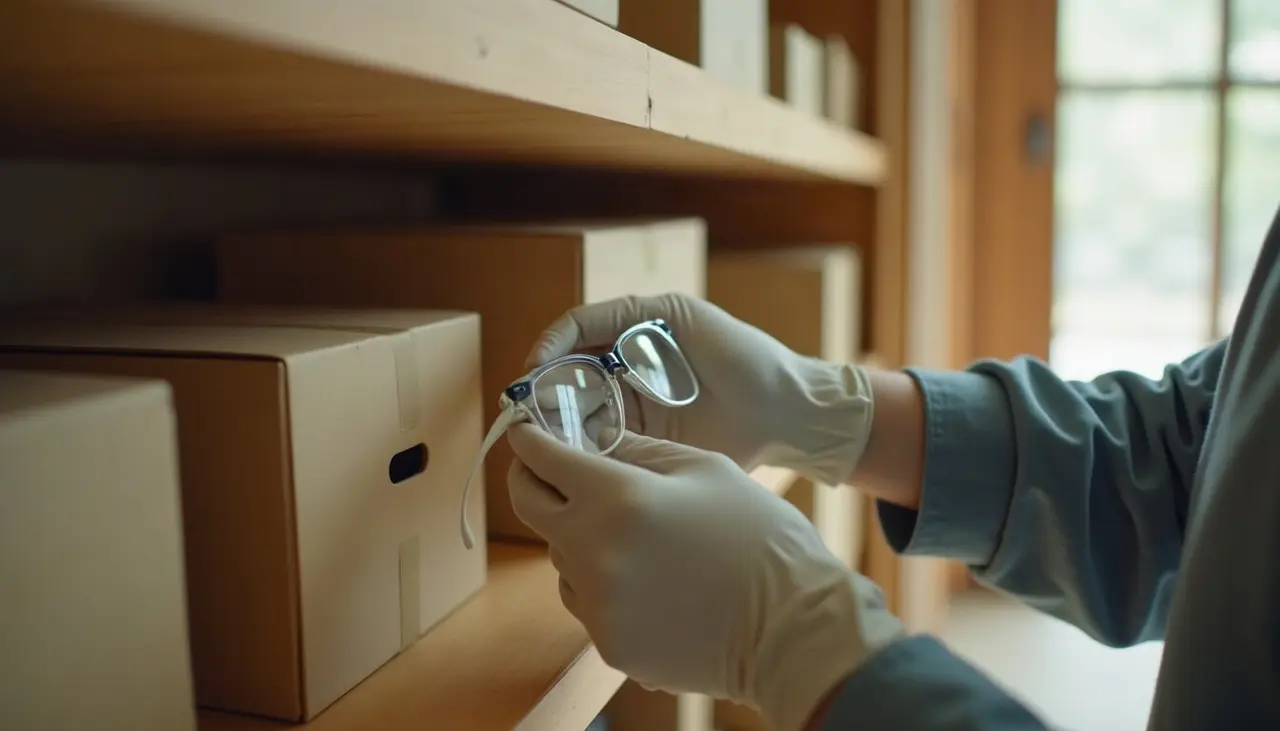
The storeroom at the back of my building has one bare bulb and a row of cardboard boxes. When autumn turns cool along the hills east of Kyoto, small animals look for shelter, and last season the signs showed up there first: chewed corners and droppings behind the boxes. Local pages for rodent control Dallas usually cover the trapping and sealing side of that kind of problem, wherever you live. My own first instinct was to grab a broom. My second, after years of reading health guidance for a living, was to stop and think about my eyes.
The cleanup touches the eyes in ways people rarely expect: dim light, dust you should not stir, and cleaning products used close to the face. This column walks through what your eyes meet in that back room before, during and after the work, and when a sore or red eye means it is time to see an eye doctor.
The light in a storeroom is usually too dim for the job
Storerooms, garages, crawl spaces and the cupboard under the sink share one feature: nobody ever thought about lighting them. A single overhead bulb throws your own shadow onto whatever you are trying to look at, and the far corners stay dark. That matters because the corners are where droppings, nesting material and gaps in the wall tend to be.
When the light is poor, people do two things that are hard on the eyes. They lean in close, which puts the face right next to dust and debris, and they squint, which tires the small muscles around the eye and makes the eyes feel heavy within the hour. Neither causes harm on its own, but both make you more likely to rub your eyes with a dirty glove.
A few simple changes help:
- Bring in a portable work light and set it to the side and slightly behind you, so it lights the corner instead of your back.
- Use a headlamp for the gaps behind shelving rather than holding a phone light in one hand.
- Move boxes out into a brighter room before you sort through them, instead of opening them in the dark.
If you are in a hot climate such as north Texas, where many people store things in a garage that bakes in summer, the same rule applies: do this kind of work in the cooler part of the day, in good light, with no rush.
The air carries what the animals leave behind
This is the part I most want readers to understand. Rodent droppings, urine and nesting material dry out and break into fine particles. Sweeping or vacuuming them dry lifts those particles into the air, where you breathe them and where they land on the moist surface of the eye. The guidance from public health agencies is generally the same in many countries: do not sweep or vacuum dry droppings, wet them first with a disinfecting solution, then wipe them up.
From the eye's point of view, dust of any kind is an irritant. The front of the eye is covered by the cornea, the clear dome over the colored part of the eye, and by the conjunctiva, the thin membrane that lines the eyelids and covers the white of the eye. Both are kept wet by the tear film, a thin layer of tears spread by every blink. Dust that lands there causes the familiar gritty feeling, redness and watering. Most of the time tears wash it away. Sometimes a particle sticks under the lid and scratches the surface as you blink.
I have no figures on how often people get eye irritation from this kind of cleaning, and I would not trust anyone who claims to. What is clear is that keeping the dust down keeps it out of your eyes, and that is the same habit that protects your lungs.
| Where you meet it | What reaches the eyes | What to do instead |
|---|---|---|
| Dry droppings on a shelf or floor | Fine dust when swept or brushed | Wet them first, wait, then wipe with paper towels |
| Old nesting material in a box | Fibers and dust when lifted | Mist it, then lift it into a bag without shaking it |
| Insulation or gaps behind shelving | Loose fibers and grit | Leave it to the professional who seals the gaps |
| A closed, stuffy room | Dust that hangs in still air | Open a door or window and let the room air out first |
Splashes from cleaners are a risk at face height
Once the dust is dealt with, the next thing the eyes meet is the cleaning solution itself. Disinfectants and bleach solutions are useful for this job, but they are exactly the kind of liquid you do not want in your eyes. Splashes happen most often when people pour from a large bottle, spray upward onto a shelf, or wring out a cloth near the face.
Here is the short routine I follow now, put together from general safety guidance rather than any single rule:
- Ventilate the room for a while before you start, and keep the door open while you work.
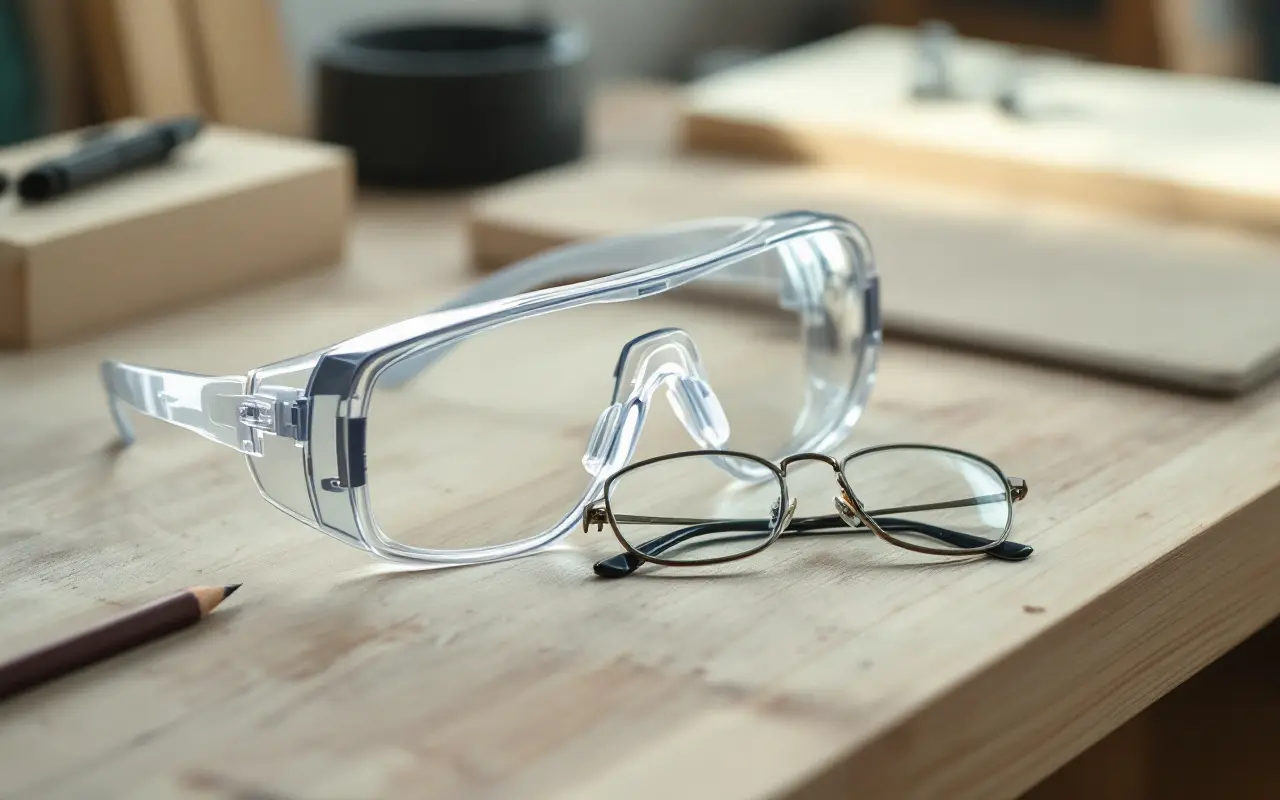
- Put on gloves and a pair of plain safety glasses or goggles. Ordinary eyeglasses help a little but leave the sides open.
- Mix or pour any solution at waist height, on a stable surface, never above your head.
- Spray low and toward the wall, not toward yourself, and keep your face back from shelves at eye level.
- Wipe up with paper towels, bag them, and wash your gloved hands before taking the gloves off.
- Wash your hands and face only after the gloves are off, and do not touch your eyes until you have.
That last point is the one most of us forget. The eye does not care whether the irritant came from a spray bottle or from a glove that touched a dusty shelf ten minutes ago.
If something does get in the eye
Rinse it straight away with plenty of clean, lukewarm running water for a good while, holding the lids open. If you wear contact lenses, take them out as soon as you can, then keep rinsing. Do not rub. A splash of a chemical cleaner is one of the situations where you should get care the same day, even if the stinging eases.
The work itself belongs to someone trained for it
I write about eyes, not about pests, so I will keep this section short. Finding where animals get in, sealing gaps, setting traps safely and deciding what to remove from walls or attics is skilled work. A professional also knows which areas are better left closed until the problem is handled, which spares you a great deal of crawling through dusty spaces with your face close to the floor.
What you can usefully do is prepare the house so that the people doing the work, and you, have clear sight lines. Clear a path into the storeroom. Make sure there is working light. Keep children and pets out of the area. Afterward, ask what you should clean yourself and what you should leave alone.
When to see an eye doctor
Most dust in the eye settles after a rinse and a few minutes of blinking. Some signs mean you should not wait it out. See an eye doctor, an optometrist or an ophthalmologist depending on where you live, if you notice:
- pain that does not ease after rinsing, or a feeling that something is still under the lid
- a scratchy, gritty sensation that lasts into the next day
- one eye that turns red and stays red, especially with discharge
- blurred vision that does not clear when you blink
- strong sensitivity to light after the work
- any chemical splash, which needs rinsing and then care the same day
If you wear contact lenses and develop a painful red eye after this kind of work, take the lenses out and get checked promptly. Decisions about what happens next belong to you and your eye doctor, and I am not a doctor, only someone who reads their guidance closely.
Almanac entry Season: late autumn, when the nights turn cool and small animals move indoors. What your eyes notice: gritty, watering eyes after an hour in a dusty storeroom. One thing to do: wet the dust down before you clean, and wear plain safety glasses.
One last look around the room
The storeroom behind my building is brighter now, with a proper work light and the boxes moved onto shelves off the floor. It still has a bare bulb and a smell of old paper, but I no longer reach for a broom when I see something out of place. I call someone who knows the work, I keep the dust down, and if my eyes stay sore or red the next morning, I do not wait for them to sort themselves out. An early visit to an eye doctor is always easier than a late one.