Exterior painting and your eyes: dust, spray and a brighter wall, and when to get them checked
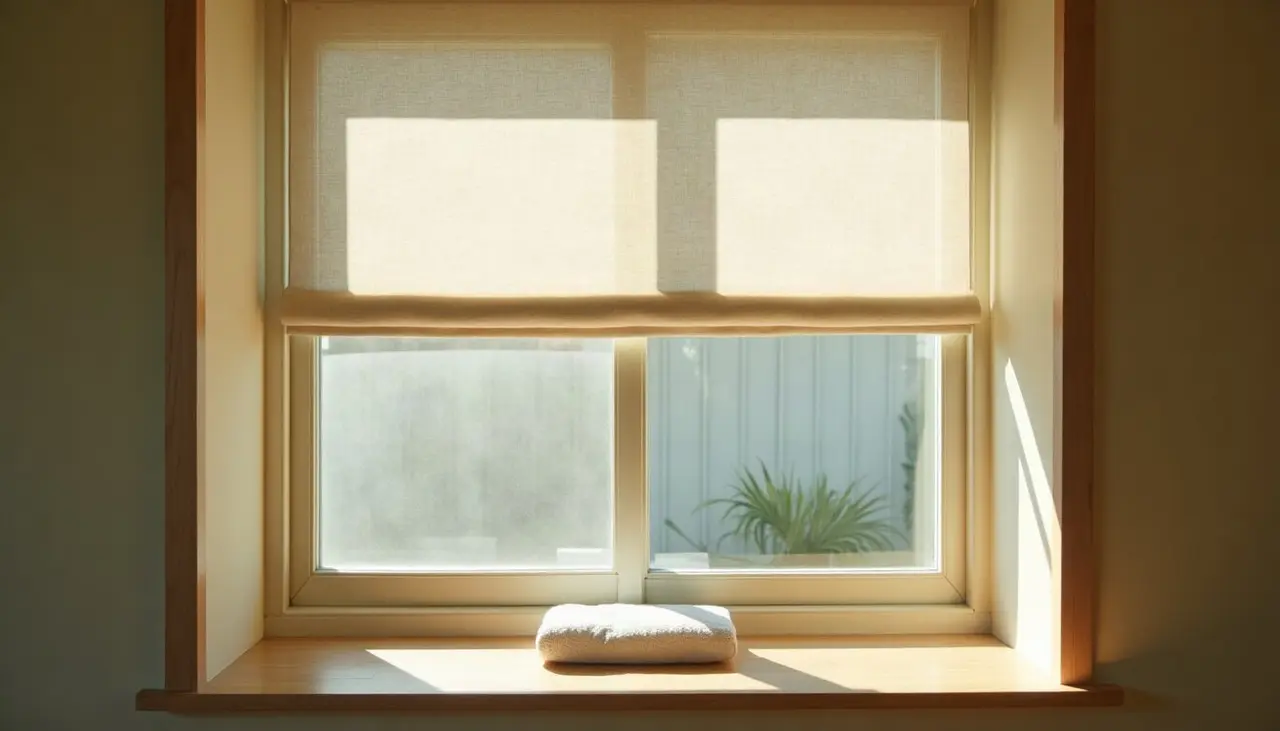
Across the lane from my window, a neighbor's house was repainted last spring. For two weeks the work filled my mornings: the scrape of old paint coming off the boards, a fine pale dust on my windowsill, and then, once the new coat was on, a bright cream wall that threw the afternoon sun straight into my study. Planning Colorado Springs exterior house painting is easier when you think about what the work and the finished color will do to the light around a home, and the same is true in Kyoto.
An exterior paint job touches the eyes twice. First during the work, through dust, flakes and spray, and later through the color itself, which changes how much light and glare reaches the rooms inside. This column takes both in turn, with a note at the end on when sore or watering eyes call for an eye doctor.
Old paint comes off as flakes and dust
Most exterior painting starts with preparation: washing the walls, scraping loose paint, sanding rough edges and filling cracks. That stage makes far more mess than the painting itself. Flakes and dust drift on the wind, settle on windowsills and balconies, and find their way into open windows.
For the people doing the work, eye protection is standard practice. Particles thrown up by scraping and sanding can land on the cornea, the clear dome at the front of the eye, and cause a scratch called a corneal abrasion, a small graze on that surface. It usually feels like sand under the lid, with watering and sensitivity to light.
For the household nearby, the risk is lower but real, mostly from dust carried indoors. Two points are generally known and worth repeating:
- Older houses may have old paint layers that contain lead. Testing and safe removal are a job for trained professionals, and guidance from health agencies in many countries treats this as work for people with the right training and equipment. Do not scrape or sand old paint yourself to "help".
- Keep the dust outside. Close the windows on the side being worked on, and wipe sills with a damp cloth rather than brushing them.
Spray mist and overhead work reach the face
Once the walls are ready, the painting itself brings different risks. Brushes and rollers flick small drops, especially on eaves and soffits, the undersides of the roof edge, where the painter is working above head height. Spray equipment produces a fine mist that drifts further than people expect.
Paint in the eye usually stings and waters rather than causing lasting harm, but some coatings and solvents are more irritating than others, and any of them should be rinsed out promptly. If you are at home during the work, a few simple habits keep it away from your family:
- Keep children and pets indoors, or away from the side of the house being painted.
- Ask the crew which days they will spray, if they spray, and keep windows shut on those days.
- Do not stand under ladders or scaffolding to chat or check progress.
- If you must walk past, wear ordinary sunglasses or plain safety glasses.
If paint gets in an eye
Rinse with plenty of clean, lukewarm running water for a good while, holding the eyelid open. Take out contact lenses if you wear them and keep rinsing. Do not rub. If the eye stays painful, red or blurred, or if the product was a solvent or a strong cleaner rather than ordinary paint, get care the same day.
A bright wall throws light into the house
This is the part people rarely think about when they choose a color. A pale, glossy wall in strong sunlight acts like a reflector. It brightens the street, which is pleasant, but it can also send glare into the windows of the house opposite and back into your own rooms through a facing window. Glare is light that arrives at the eye from a bright surface and makes it harder to see detail, and older eyes generally find it more troublesome than younger ones.
Places with clear, high-altitude sunshine and dry air, such as the Front Range of Colorado, tend to have bright light much of the year, and snow on the ground in winter adds its own reflection. In Kyoto the light is softer, but a white wall in July is still hard to look at. The finish matters as well as the color.
| Choice | What it does to the light | What to watch |
|---|---|---|
| Very pale color, glossy finish | Reflects a lot of light, can glare in strong sun | Facing windows, yours and the neighbors' |
| Very pale color, matte or low-sheen finish | Brightens without a sharp shine | Shows dirt more on some surfaces |
| Mid-tone color | Softer light, less glare | Trim and step edges may need contrast |
| Dark color | Little reflection | Steps and edges harder to see at dusk |
I am not a painter and would not tell anyone which color to choose. The point is only that color and sheen are also lighting decisions, and a good painting contractor can show you samples on the actual wall in morning and afternoon light before you commit.
Contrast on steps and edges helps tired eyes
The last thing the eyes meet is the outside of the house at dusk. Porch steps, the edge of a deck, a low wall by the path: if they are painted the same color as everything around them, they disappear in poor light. A contrasting color on step edges or handrails is one of the simplest ways to make an entrance easier to read, especially for anyone whose eyesight is changing with age.
When you plan an exterior repaint, it is worth walking up to your own front door in the evening and asking where your feet would go if you could not see well. That list belongs in the conversation with whoever does the work.
The same goes for the light at the door. A fresh coat of paint changes how a porch lamp reads at night: a pale wall spreads the light further, a dark one swallows it. Neither is wrong, but it is worth standing outside after the work is done, on an ordinary evening, and noticing whether the steps, the path and the keyhole are as easy to find as they were before.
When to see an eye doctor
Dust and flecks usually wash out. Some signs mean you should not wait it out. See an eye doctor, an optometrist or an ophthalmologist depending on where you live, if you notice:
- pain or a gritty feeling that lasts after rinsing, or into the next day
- an eye that waters constantly and is sensitive to light
- blurred vision that does not clear with blinking
- a red eye that is getting worse rather than better
- any splash of solvent or strong cleaner (rinse, then get care the same day)
- a hit to the eye from a flying chip or a dropped tool
What happens next belongs to you and your eye doctor. I am a health writer, not a doctor, and these are general signs drawn from the guidance eye doctors' professional bodies give the public.
Almanac entry Season: late spring, when the weather settles and paint crews go out. What your eyes notice: grit on the sills and a new brightness from the wall across the way. One thing to do: keep windows shut on the working side, and look at paint samples in afternoon sun.
One last look at the house across the lane
My neighbor's cream wall has softened a little over the year, and I have learned to draw a linen blind in the late afternoon. The dust is long gone, though I remember wiping it from the sill every morning. If you are planning work on your own house, think about the light it will send back, protect the eyes of everyone nearby while it happens, and if a sore eye has not settled by the next day, see an eye doctor early rather than late.