The bathroom sink and your eyes: gentler water, softer light, and when to get them checked
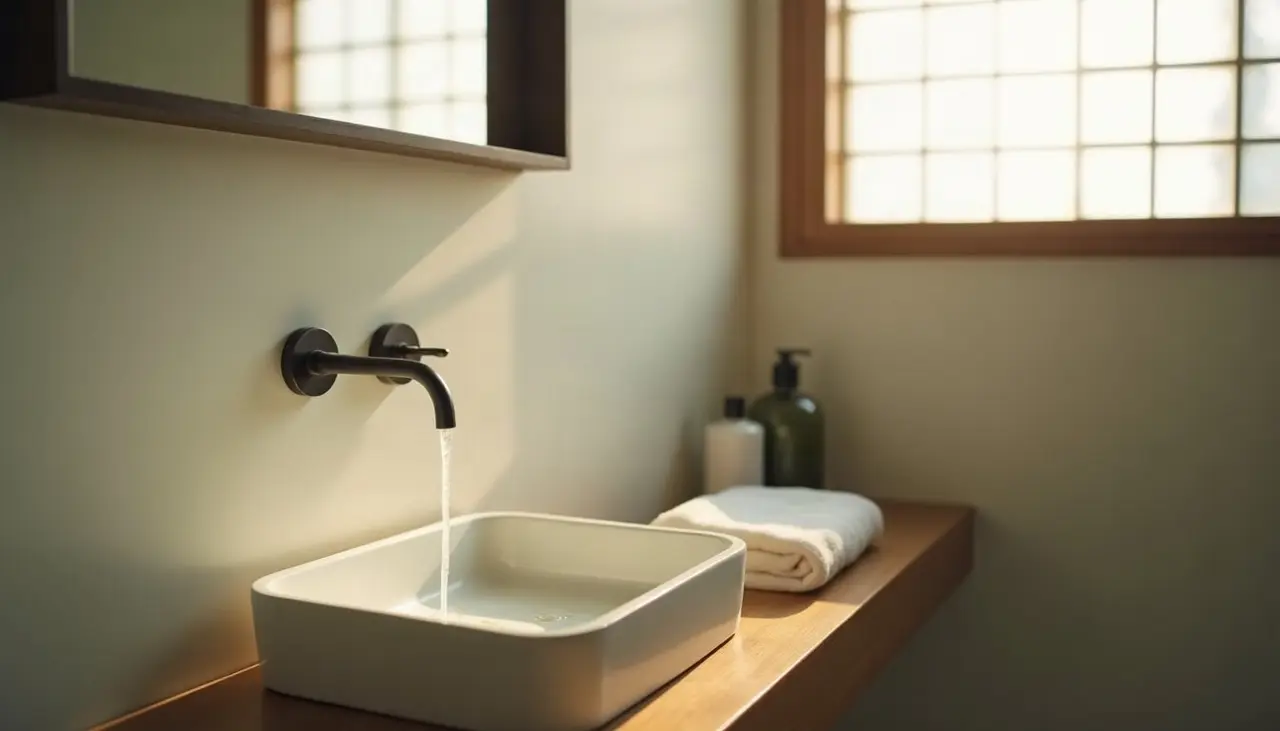
On winter mornings in Kyoto the washroom is the coldest room in my house. I stand at the sink with the tap running, waiting for the water to turn warm, and I notice how much of my morning eye care happens right there. When someone searches for water heater repair in Aurora, the worry is usually a cold shower, yet a working heater also decides whether the water you splash on your face is comfortable or harsh.
This column walks through the bathroom sink at eye level: the water, the steam and air, the light, and the habits of contact lens wearers. At the end there is a list of signs that mean the eyes need an eye doctor, not a better tap.
A few words that make this easier
Three terms first, explained plainly.
- The tear film is the thin layer of moisture that covers the front of the eye. It keeps the surface smooth and comfortable, and it dries out faster in warm, dry air.
- The eyelid margins are the edges of the lids, where the lashes grow. Tiny glands along these edges release oil that helps keep the tear film from drying.
- The conjunctiva is the clear, thin membrane over the white of the eye and the inside of the lids. When it is irritated, the eye looks pink or red.
At the sink, all three ask for the same thing: gentleness.
Water at the face should be warm, never hot
The skin around the eyes is among the thinnest on the body, and the eye itself has no protective skin at all. Water that feels fine on the hands can feel much hotter on the eyelids. The guidance from eye doctors' professional bodies, in general terms, is that you wash the face with lukewarm water and keep anything hot well away from the eyes.
This is where the water heater quietly matters. A heater that is working well gives you water that warms steadily and stays where you set the tap. A heater that is struggling can do two unhelpful things. It can leave you waiting so long in a cold room that you give up and splash your face with cold water. Or it can swing between lukewarm and suddenly too hot, which is exactly the surprise you do not want with your eyes closed and your face over the basin.
I have no figures on how often this causes harm. The practical point is simpler. If the hot water at your sink has started to surge, sputter, run rusty or change temperature without warning, that is a job for a plumber, not something to adjust yourself. The temperature setting on a water heater, and any work on a gas or electric heater, belongs to a professional who can check it safely. You can ask them whether the water at the bathroom tap is set at a safe level for washing your face.
Some readers have been told by their eye doctor to hold a warm compress on the closed lids, usually for the oil glands along the lid margins. If that is you, follow your eye doctor's instructions for how warm and how long. Water from the tap is not automatically the right temperature for this, and a cloth that is too hot can burn the delicate skin of the lids. When in doubt, ask at your next appointment.
Steam fogs the mirror, then the air turns dry
A hot shower fills the bathroom with steam. For a few minutes the air feels soft and the eyes feel comfortable. Then the door opens, the warm moist air escapes, and the eyes meet the dry air of a heated house again.
Aurora, like much of Colorado, has a dry climate, and winter heating makes indoor air drier still. In Kyoto our winters are damp outside, but a room warmed by a heater or a kotatsu (a low table with a heater under a quilt) can feel just as dry by evening. The tear film evaporates faster in that air, and the eyes may feel gritty, tired or oddly watery by the end of the day. Watery eyes can, confusingly, be a sign of dryness.
A few things help around the bathroom:
- Run the extractor fan during and after a shower, so steam does not sit in the room and feed mold on the grout and ceiling, which can bother sensitive eyes.
- Keep sprays, cleaners and hair products pointed away from the face, and use them after the steam has cleared so the mist does not drift toward your eyes.
- If the rest of the house feels very dry in winter, mention it to whoever services your heating. Indoor air is part of eye comfort, too.
Light at the sink, and the trip at night
Most bathrooms have one bright light above the mirror and very little else. That light shines down onto the face and also bounces off glossy tiles, a white basin and a wet counter. The result is glare, light reflected into the eye that makes detail harder to see. Older eyes scatter more light inside the eye, so for them the bathroom can feel blinding at first and dim a moment later.
The night trip to the bathroom is the other moment worth thinking about. Eyes that have adjusted to darkness are suddenly hit by a full overhead light, and then the person has to find the edge of a wet floor or a step in that dazzle. A low, soft light along the route, a mat that does not slide, and contrast between the fixtures and the walls (a pale basin against a darker wall, for example) all help the eyes find the edges.
| Moment at the sink | What the eyes meet | What helps |
|---|---|---|
| Early morning, cold room | Long wait for warm water, cold splashes | A water heater that warms steadily; lukewarm water at the face |
| After a hot shower | Steam, fogged mirror, then dry air | Extractor fan, a dry cloth for the mirror |
| Late at night | Sudden bright light, wet shiny floor | A low night light along the route, a mat that grips |
| Putting in contact lenses | Water splashes near the eye, damp hands | Clean, fully dried hands; lens solution only, never tap water |
Contact lenses and the sink do not mix
If you wear contact lenses, the bathroom sink is where good and bad habits live side by side. The single most important rule is the one eye doctors repeat often: tap water should never touch your lenses or your lens case. Tap water is safe to drink, but it is not sterile, and it can carry tiny organisms that are harmless in the stomach and can cause serious infection on the surface of the eye. Hot water from the heater is no exception.
A short routine I follow, and which matches the general guidance:
- Wash your hands with soap and water, and rinse well so no soap is left on the fingers.
- Dry your hands completely with a clean towel that is used only for that.
- Close the sink drain, or lay a clean cloth in the basin, so a dropped lens is easy to find.
- Clean and store lenses only with the solution your eye doctor recommended, never water and never saliva.
- Leave the case open to air dry, away from the splash zone of the sink, and replace it as your eye doctor advises.
- Take lenses out before a shower, a bath or washing your face, and put them back in afterward with dry hands.
When to see an eye doctor
A bathroom can be made kinder to the eyes, but some signs are not about the room at all. See an eye doctor, an optometrist or an ophthalmologist depending on where you live, if you notice any of these:
- Hot water, soap, shampoo or a cleaning product gets into the eye. Rinse with plenty of clean, lukewarm water right away and get care the same day, especially if it was a chemical or very hot water.
- Pain in the eye, or a scratchy feeling that does not settle after rinsing.
- One red eye, particularly if you wear contact lenses. Take the lenses out and do not put them back in until you have been checked.
- New sensitivity to light, blurred vision that does not clear when you blink, or a discharge from the eye.
- Dryness, grittiness or watering that keeps coming back for weeks despite the changes at home.
I am not a doctor, and this column cannot tell you what is wrong. Those decisions belong to you and your eye doctor.
Almanac entry Season: early winter, when the heating comes on and the water takes longest to warm. What your eyes notice: a sting from water that is too hot, then dry, tired eyes by evening. One thing to do: feel the tap water on your wrist before it reaches your face, and call a plumber if it surges or runs cold.
Before the season turns
Tomorrow morning I will stand at the same cold sink, and the water will take its time again. It is one of the few moments each day when we deliberately touch our eyes. Make the water gentle, the light soft and the hands clean, and if anything feels wrong afterward, a scratch, a sting or a red eye that lingers, see an eye doctor early rather than waiting for it to pass.