New floors and your eyes: dust, glare and edges, and when to see an eye doctor
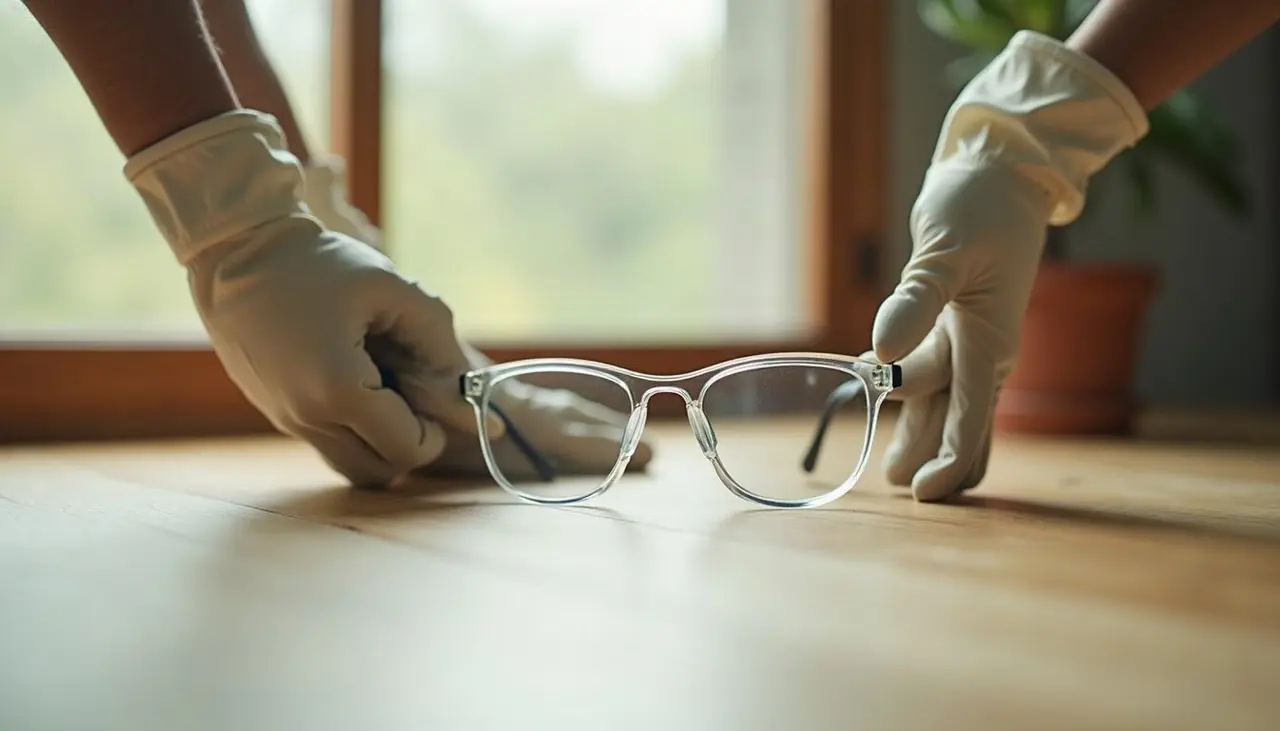
On my street in Kyoto, a neighbor had her old floors taken up this autumn. A fine pale dust drifted out of her open door, settled on the potted plants by her step, and caught the low afternoon sun like smoke. Walking past, I found myself blinking faster.
New floors change what the eyes meet twice: as dust and fumes during the work, then every day afterward as light, glare and edges. From sanding an old wood floor back to bare boards to a full Denver flooring installation, the same questions come up wherever you live. This column takes them one at a time, so you know what to expect, what to ask, and when a sore eye needs more than a rinse.
Fine dust is the first thing the eyes meet
Most flooring work makes dust. Sanding a wood floor makes the finest kind, and cutting planks, scraping old adhesive or grinding down a subfloor adds coarser grit. The fine particles stay in the air for a long time and travel well beyond the room where the work happens, through doorways, along hallways and into the rooms where people are still living.
It helps to know what that dust lands on. The front of the eye is covered by the cornea, the clear dome over the colored part of the eye, and the cornea is coated by the tear film, a thin layer of water, oil and mucus that keeps the surface smooth and washes small things away. A little dust gets swept off by blinking and tears. A lot of dust, hour after hour, can leave the surface feeling gritty, dry and tired, and contact lens wearers often notice it first, because particles can get trapped under a lens.
The guidance from eye doctors' professional bodies is consistent on the general point: protect the eyes from airborne debris rather than rely on rinsing it out afterward. During a floor project at home, that means thinking about who is in the house and where they will be.
A simple routine for the days of the work
- Decide which rooms the household will use, and keep their doors closed while sanding or cutting is going on.
- Ask the installers how they usually contain dust and which areas they will seal off. A good crew will expect the question.
- Keep anyone with dry eyes, allergies or contact lenses out of the work area altogether; glasses are a better choice than lenses on those days.
- If you need to step into the room, wear plain safety glasses with side protection, not ordinary reading glasses.
- Wipe surfaces with a damp cloth each evening instead of sweeping, which lifts the dust back into the air.
- Wash your hands before touching your face or your lenses.
The air carries more than dust
Some steps in a floor project bring fumes as well as particles: adhesives, some finishes and sealers, and the cleaning that comes before and after. Fumes can make the eyes sting and water, and the effect is usually stronger in a closed room with still air.
I have no figures on how long any particular product takes to air out, and it would be unwise to guess, because products differ a great deal. What is generally sensible is to follow the drying and ventilation times the installer gives you, open windows where the weather allows, and stay out of a freshly finished room until you are told it is ready. In a dry climate such as Denver's, where indoor air in winter can already feel parched to the eyes, a room that smells strongly of finish is worth avoiding for a little longer than you might like.
If any liquid product splashes toward the face, the rule is simple: rinse the eye with clean running water straight away and keep rinsing, then get medical care the same day. Do not rub, and do not wait to see whether it settles on its own.
A new finish changes how light moves around the room
Once the work is done and the dust has gone, the floor starts a second, quieter conversation with the eyes. A floor is the largest surface in most rooms, and its finish decides how much daylight and lamplight it throws back up.
A high-gloss finish reflects light like still water. Near a window, it can send a bright patch of glare straight into the eyes of anyone sitting nearby, and at night a glossy floor can mirror the ceiling lights. Older eyes tend to be more bothered by glare, because the lens inside the eye, the clear part that focuses light, becomes less clear with age and scatters bright light more. A matte or satin finish spreads reflections out instead, which most people find calmer to look at.
Color matters too. A lighter floor bounces more light around and can make a dim room feel brighter; a very dark floor absorbs light, so the room may need more lamps to feel the same. Neither is right or wrong, but it is worth thinking about the room's daylight before you choose.
| Finish or floor choice | Where it tends to suit | What to watch for the eyes |
|---|---|---|
| Matte or satin finish | Living rooms, bedrooms, rooms with big windows | Very little glare; shows dust a little more |
| High-gloss finish | Rooms with soft, indirect light | Bright patches of glare from windows and ceiling lights |
| Light-colored floor | Dim rooms, hallways, north-facing rooms | Can feel bright in strong sun; pair with blinds |
| Dark-colored floor | Sunny rooms with plenty of daylight | Room may need more lamps; dark edges harder to see |
Edges and changes in level are easier to miss than you think
The part of a floor that matters most for safety is often the part people think about least: where one surface meets another. A step down into a sunken room, the edge of a stair, the threshold between a wood floor and a tiled kitchen. With good eyesight these are obvious. With blurred vision, early cataract, or simply tired eyes in a dim hallway, a step that is the same color as the floor around it can almost disappear.
Contrast, the visible difference between two surfaces, is what helps the eyes find an edge. When planning a project, it is reasonable to ask the installer about:
- a stair nosing, the front edge of each step, that stands out from the tread in color or tone
- thresholds between rooms that are flat and clearly visible, not a slight lip the same shade as both floors
- a consistent surface along the route someone uses at night, such as bedroom to bathroom
- enough light on any change in level, which may mean a conversation with an electrician as well
If an older parent lives with you, walk the route with them after the work is finished, at the time of day they usually use it. What looks clear at noon can look very different at dusk.
When to see an eye doctor
Most eye irritation from a floor project settles once the dust has cleared and the room has aired out. Some signs mean you should not wait. See an eye doctor, an optometrist or an ophthalmologist depending on where you live, if you notice:
- pain in the eye, rather than mild discomfort
- a feeling that something is scratching or stuck in the eye that does not settle after rinsing and blinking
- one eye turning red and staying red
- new sensitivity to light, or blurred vision that does not clear when you blink
- any chemical or finish getting into the eye: rinse first, then get care the same day
Separately, if you find that you are suddenly unsure of steps and edges you used to see easily, or that glare from a new floor is far more bothersome than you expected, that is worth mentioning at your next eye exam, or sooner if it is new. Changes in how we see contrast and glare are common with age, and an eye doctor can check what lies behind them. Decisions about your eyes belong to you and your eye doctor.
Almanac entry Season: late autumn and winter, when windows stay shut and floor work fills a closed house with dust. What your eyes notice: a gritty, dry feeling by evening, and glare from low sun across a newly finished floor. One thing to do: keep a pair of plain safety glasses by the door of any room being worked on, and use them.
One last look at the floor
My neighbor's floors are finished now, and the dust on her plants has long since washed away. Her new boards are a soft matte color that holds the late sun without throwing it back, and the step down into her kitchen has a pale edge you can see from across the room. Those are small choices, and they will serve the eyes of everyone in the house for many years. If, during your own project or after it, an eye stays sore, red or blurred, let an eye doctor take a look early rather than late.